In Memory of Memory – Maria Stepanova

Fitzcarraldo Editions | Translated by Sasha Dugdale

There are books you read, and books you inhabit. Maria Stepanova’s In Memory of Memory is firmly the latter: a slow, circling, quietly devastating meditation on family, photography, objects and the nature of remembering itself. It is one of those rare works that changes the way you look at the world after you’ve finished it.

Stepanova begins with the death of her aunt, and the task of sorting through what remains. What follows is not grief memoir in any conventional sense. Instead she sifts through the remnants of her Russian Jewish family across several generations – letters, photographs, medicine bottles, postcards, diaries – and asks a deceptively simple question: what does it mean to preserve a life in things? What are we actually doing when we keep?

The book moves associatively rather than chronologically, pulling in Sebald, Charlotte Salomon, Roland Barthes, Susan Sontag. It is essayistic and novelistic at once, part family history, part cultural criticism, part elegy, part cabinet of curiosities. Stepanova is interested in the gap between what objects hold and what they cannot, the way a photograph both preserves and falsifies, the way memory is always already an act of fiction.

What makes it a Slow Pleasure read is precisely this quality of attention. Stepanova notices things. She lingers. She refuses the shortcut of easy emotion. Reading her feels like being in the company of someone who has thought deeply and carefully about what it means to be alive in time, to inherit a past you didn’t choose and carry it forward into an uncertain future.

Fitzcarraldo have published it with their characteristic restraint: a white cover, clean spare typography, the kind of physical object that earns its place on a shelf and stays there. Sasha Dugdale’s translation is quietly extraordinary, managing to render Stepanova’s Russian essayism into English prose that breathes.

This is not a book to rush. Read a chapter, put it down, look at an old photograph. Come back. Let it do what it wants to do. It rewards patience the way the best things always do: slowly, and completely.
Similar Posts

  • The Importance of Living – Lin Yutang

    William Morrow | Philosophy, Essays There are books that arrive at exactly the right moment, and books that arrive long before the culture is ready for them. Lin Yutang’s The Importance of Living, published in 1937, belongs firmly to the second category. A Chinese philosopher writing in English, addressing a Western world he found baffling…

  • The Bloody Chamber – Angela Carter

    Vintage | Short Stories There is a moment in the title story of Angela Carter’s The Bloody Chamber when the narrator, a young bride alone in her husband’s castle, opens a forbidden door and finds something that will change her forever. It is a moment of dread and recognition in equal measure, the feeling that…

  • The Case for Reading Slowly

    What neuroscience, philosophy and a quieter life can teach us about the most important thing we have stopped doing properly. We have not stopped reading. If anything, we read more than any generation in human history: feeds, newsletters, threads, captions, notifications, summaries of things we intend to read later. We are drowning in text. What…

  • How to Listen to Jazz – Ted Gioia

    Basic Books | Music, Culture There is a particular kind of book that does not simply describe its subject but transforms your relationship to it. Ted Gioia’s How to Listen to Jazz is that kind of book. Read it on a Tuesday evening and by Wednesday morning you will hear music differently… more attentively, more…

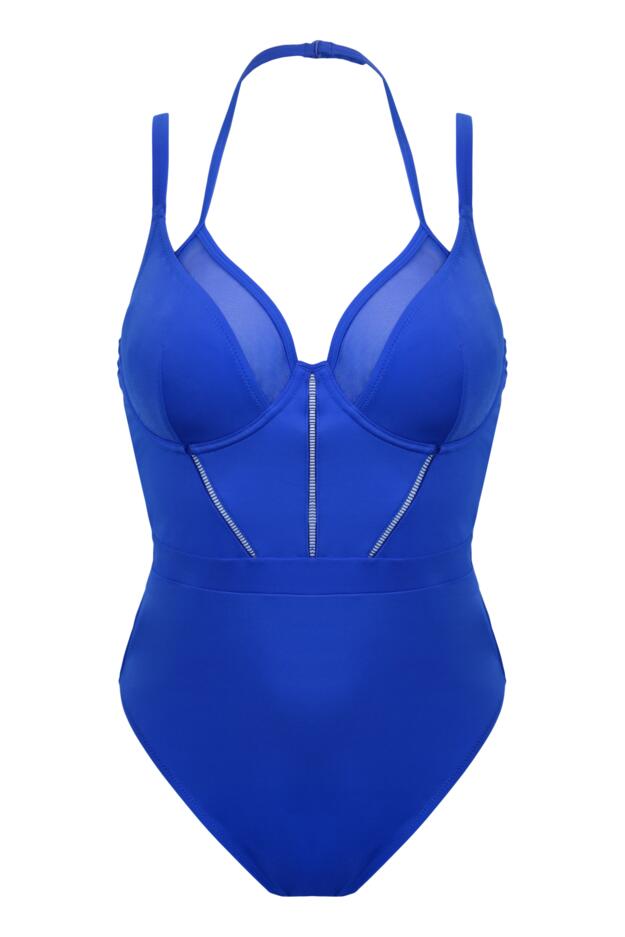
  • Sydney Swimsuit – Pour Moi

    Pour Moi Sydney Double Strap Underwired Swimsuit The one you wear when you mean it. There is a particular kind of confidence that has nothing to do with exposure. It is the confidence of a woman who has chosen carefully, who knows exactly what she is wearing and why, and feels it with every movement….

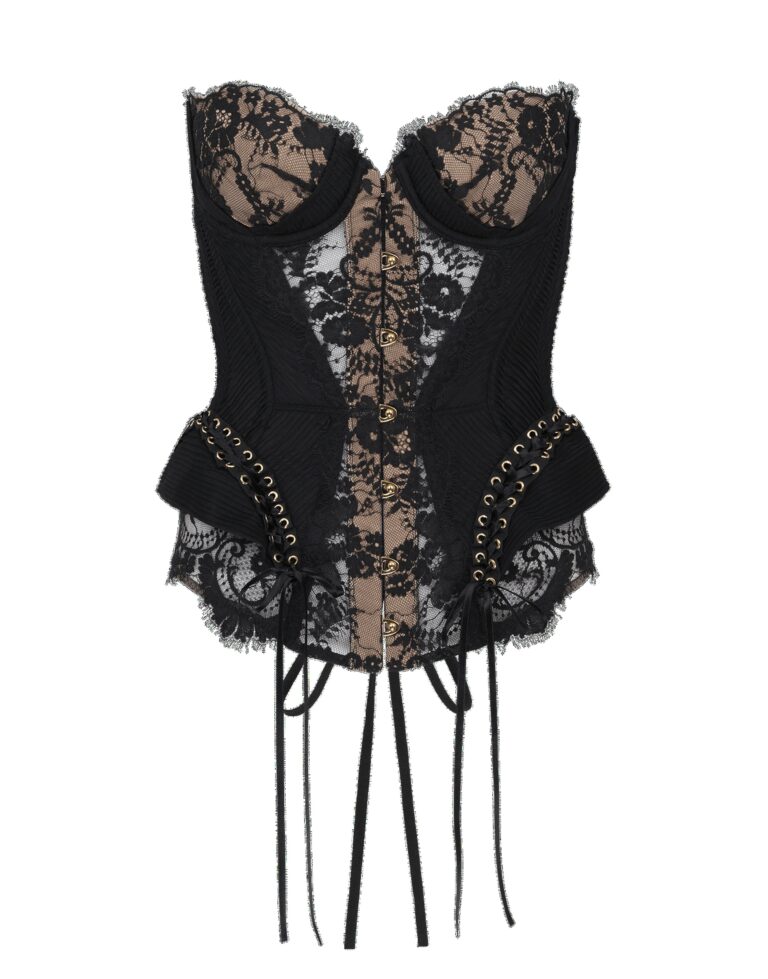
  • Raphaella Corset – Agent Provocateur

    Black | The one that changes the evening. There are garments that flatter. And then there are garments that transform. The Raphaella Corset belongs to the second category — the kind of piece that changes not just how you look but how you move, how you hold yourself, how the evening feels from the inside….

Leave a Reply

Your email address will not be published. Required fields are marked *